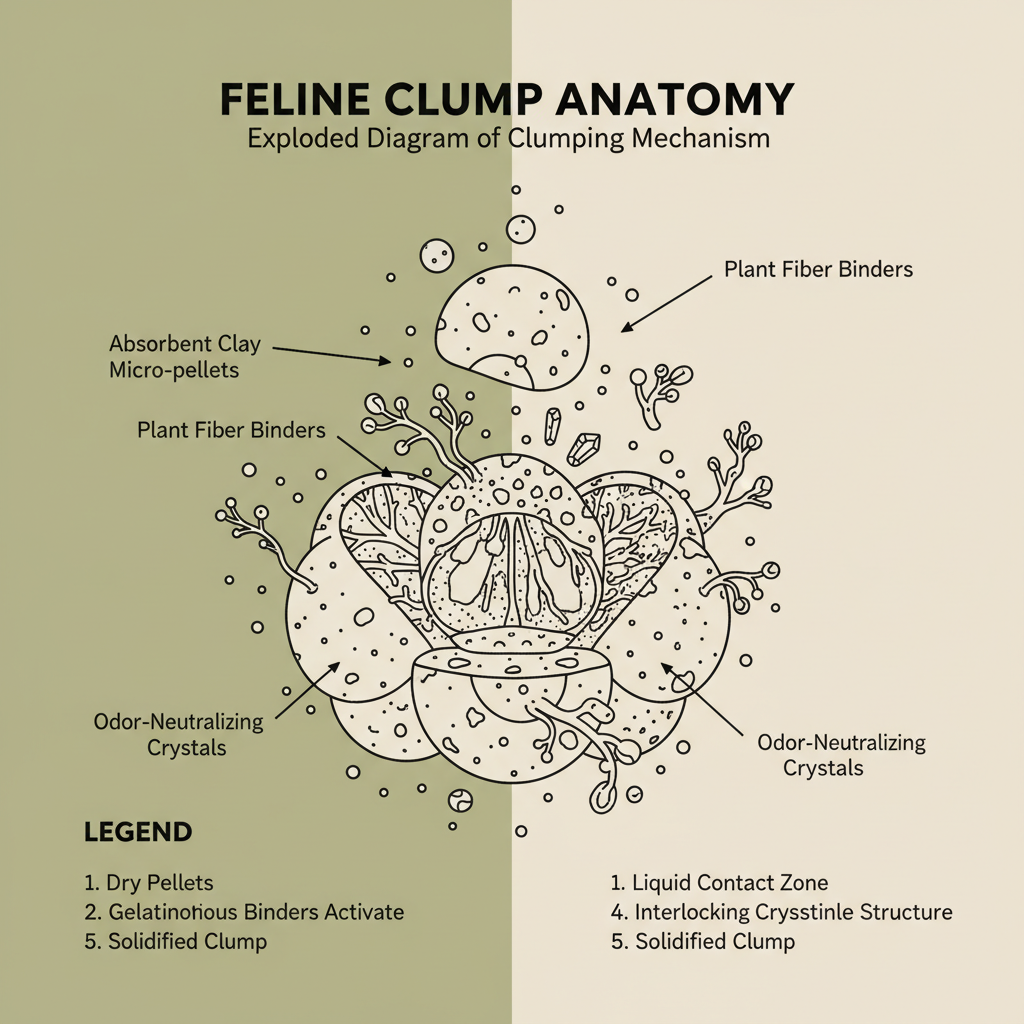
To be honest, this cat sand business… it’s seen a real shift lately. Everyone’s talking about dust control, right? Used to be, people just wanted something that clumped. Now? It’s all about minimizing that cloud of white powder when you scoop. I’ve been on sites where they’re mixing in actual charcoal, believe it or not. Says it absorbs odors better. Smells like a barbecue pit for a bit, though.
Have you noticed how everyone's going crazy for these "natural" options? Wood pellets, wheat, corn… it’s a whole thing. I saw a factory in Ningbo last month that was trying to make cat sand out of bamboo fiber. Bamboo! It looked… interesting. Turns out, it doesn’t hold moisture as well as you’d think. Anyway, I think the big trend is just anything claiming to be eco-friendly, even if the actual impact is debatable.
The thing is, a lot of these manufacturers… they don’t spend enough time actually using the stuff. They’re focused on lab tests, absorption rates, all that. But you need to see how it behaves in a real home, with real cats, and real owners. It’s different.
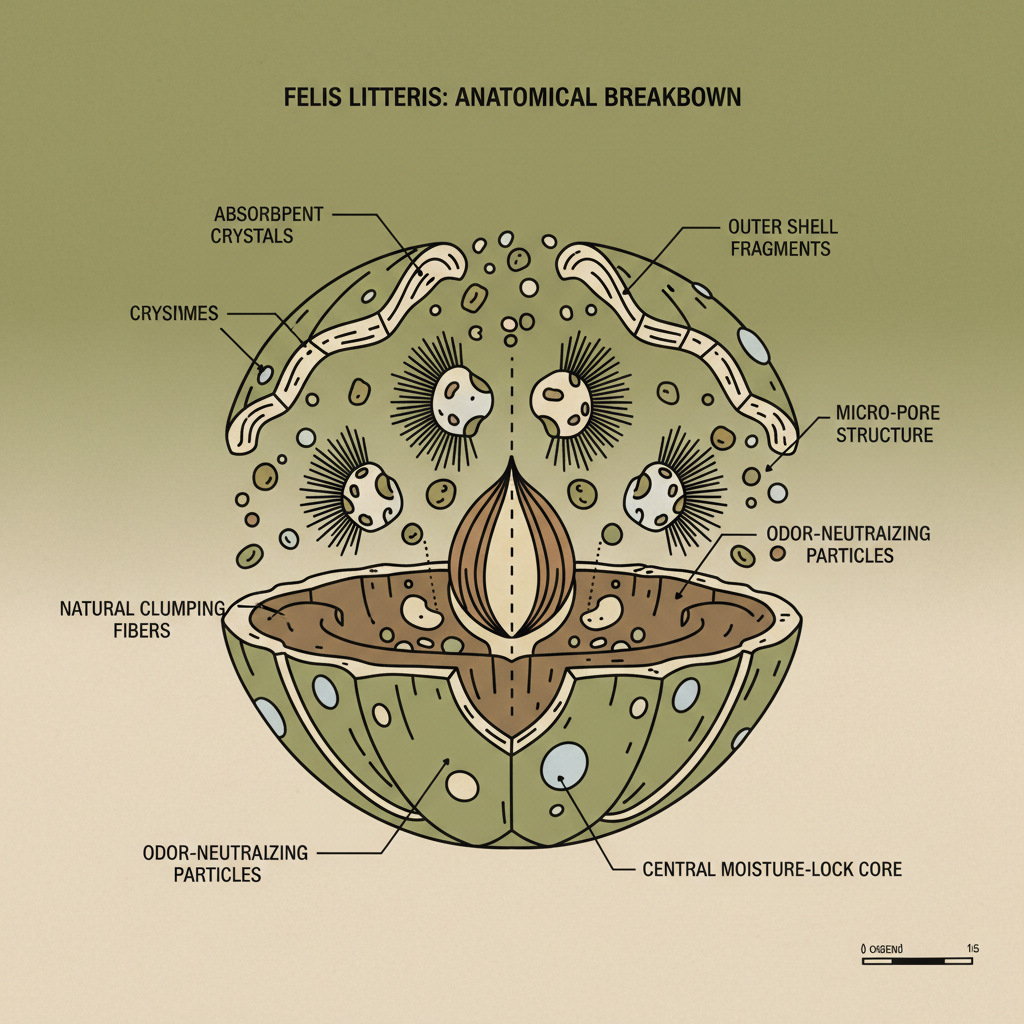
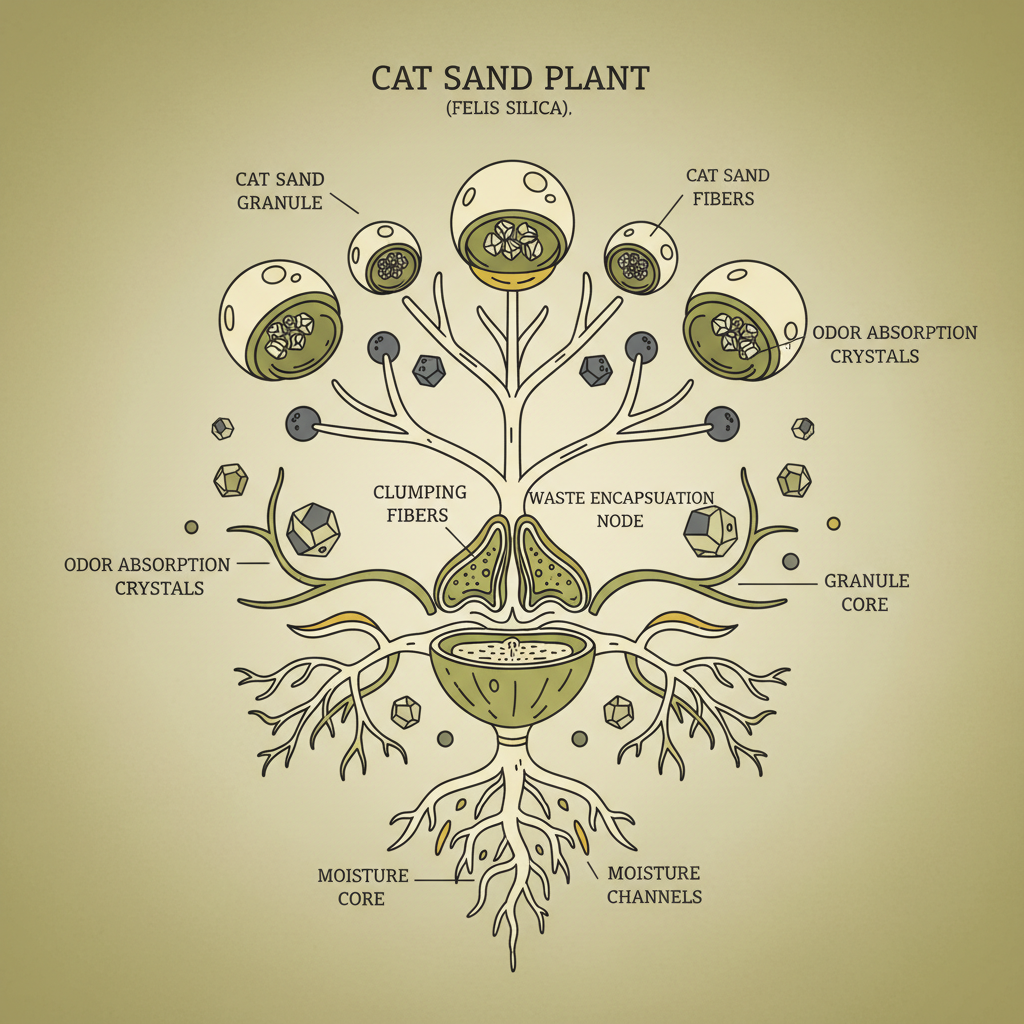
Strangely, the cat sand market is a surprisingly good indicator of consumer trends. Like, when everyone started caring about indoor air quality, suddenly everybody needed low-dust cat sand. It’s not just about the cats, you know? It's about how the owners feel. And lately, it’s been all about sustainability. Biodegradable options are popping up everywhere.
I encountered this at a factory in Yangzhou last time – they were using recycled paper as a base for their cat sand. The texture was... unique. It felt almost like shredded newspaper. Not bad, really, but the cats weren’t entirely sold on it, apparently.
Honestly, silica gel tends to be the winner here. It's incredibly absorbent and traps odors really well. But it's more expensive, and some cats don't like the texture. Bentonite clay is a good all-around choice, especially if you scoop frequently. The key is regular maintenance, no matter what you use.
It’s a complicated question. While plant-based cat sands are made from renewable resources, the production and transportation still have an environmental impact. Plus, some of them require more frequent litter box changes, which means more waste overall. It’s better than straight clay, but it’s not a perfect solution.
Depends on how many cats you have, and how diligent you are about scooping. Generally, a full change every 2-4 weeks is a good rule of thumb. But if you notice a lingering odor, or if the litter box is starting to get stained, it’s time for a fresh batch. Don't push it.
Don't! Even if the packaging says it’s “flushable,” it can clog your pipes and cause problems for the wastewater treatment plant. Seriously, don't do it. It's a recipe for disaster. Just bag it up and throw it in the trash.
Cats are creatures of habit. If you switch to a new type of cat sand, do it gradually. Mix a little bit of the new sand with the old sand, and slowly increase the proportion over a week or two. If your cat still refuses to use the litter box, try a different type of sand.
It’s more important than you think. Dust can irritate your cat's respiratory system, and it can also cause allergies in humans. Low-dust cat sands are definitely worth the extra money, especially if you or someone in your family has allergies or asthma.
Ultimately, choosing the right cat sand comes down to finding a balance between performance, cost, and convenience. There’s no one-size-fits-all solution. It's about understanding your cat’s preferences, your own lifestyle, and being realistic about what you're willing to compromise on.
But here’s the thing: all the lab tests and marketing hype in the world don’t matter. Ultimately, whether this thing works or not, the worker – the cat, and the person cleaning the box – will know the moment he tightens the screw, or in this case, scoops the litter.

 Afrikaans
 Albanian
 Amharic
 Arabic
 Armenian
 Azerbaijani
 Basque
 Belarusian
 Bengali
 Bosnian
 Bulgarian
 Catalan
 Cebuano
 Corsican
 Croatian
 Czech
Czech
 Danish
 Dutch
Dutch
 Esperanto
 Estonian
 Finnish
 French
 Frisian
 Galician
 Georgian
 German
 Greek
Greek
 Gujarati
 Haitian Creole
 Hausa
Hausa
 Hawaiian
 Hebrew
 Hindi
Hindi
 Miao
Miao
 Hungarian
 Icelandic
 Igbo
Igbo
 Indonesian
 Irish
Irish
 Italian
 Japanese
 Javanese
 Kannada
 Kazakh
 Khmer
Khmer
 Rwandese
 Korean
 Kurdish
 Kyrgyz
 Lao
Lao
 Latin
Latin
 Latvian
 Lithuanian
 Luxembourgish
 Macedonian
 Malgashi
 Malay
Malay
 Malayalam
 Maltese
 Maori
Maori
 Marathi
 Mongolian
 Myanmar
 Nepali
 Norwegian
 Norwegian
 Occitan
 Pashto
 Persian
 Polish
 Portuguese
 Punjabi
 Romanian
 Russian
 Samoan
 Scottish Gaelic
 Serbian
 Sesotho
 Shona
Shona
 Sindhi
 Sinhala
 Slovak
 Slovenian
 Somali
 Spanish
 Sundanese
 Swahili
 Swedish
 Tagalog
 Tajik
Tajik
 Tamil
Tamil
 Tatar
Tatar
 Telugu
 Thai
Thai
 Turkish
 Turkmen
 Ukrainian
 Urdu
Urdu
 Uighur
 Uzbek
Uzbek
 Vietnamese
 Welsh
Welsh
 Bantu
Bantu
 Yiddish
 Yoruba
 Zulu
Zulu
 English