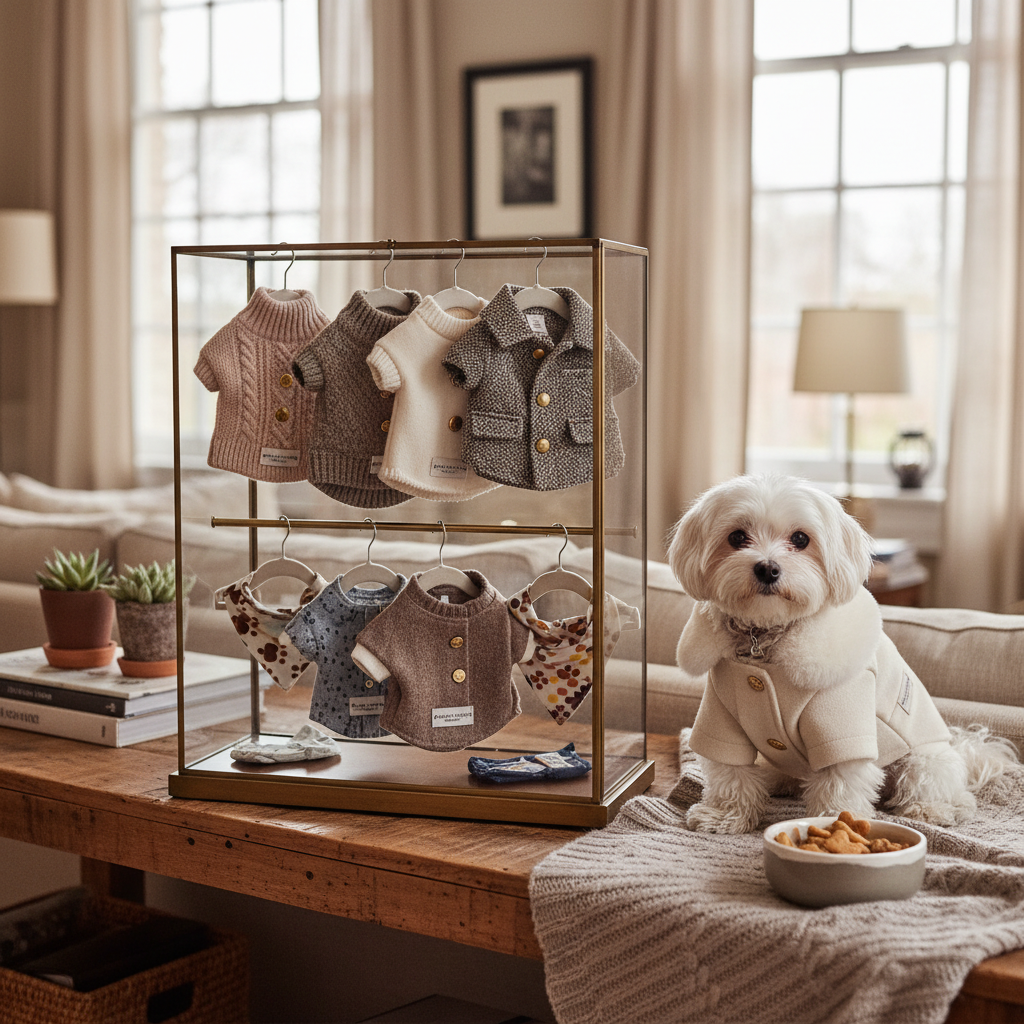
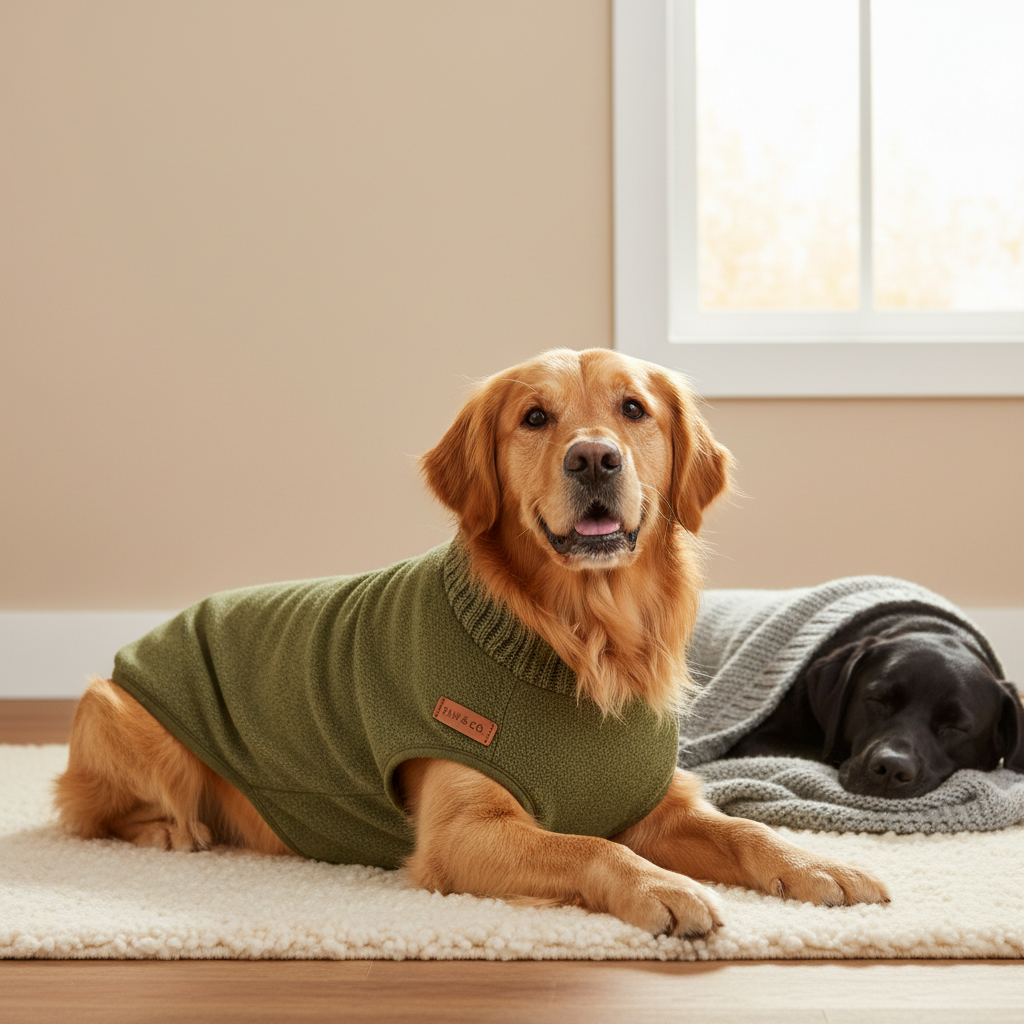
Listen, I've been running around construction sites for fifteen years, you know? Seen a lot of stuff come and go. Lately, it's all about these prefabricated structures, right? Dog clothes are kinda following that trend – folks want things fast, reliable, and not a huge pain to deal with. It’s not just about fashion anymore, it’s about function, durability, and honestly, keeping the dog comfortable. Seems simple, but trust me, it’s not.
To be honest, the biggest headache? Everyone thinks they know what a dog needs, but they haven't actually spent a day with a working dog, or a grumpy Bulldog, or a little chihuahua shivering in the wind. You end up with designs that look cute in a catalog but fall apart the second a real dog tries to move in it. It's a constant battle, I tell you.
And the materials… don't even get me started. People are obsessed with 'sustainable’ materials, which is great, but sometimes 'sustainable' means ‘expensive and falls apart after a week.’
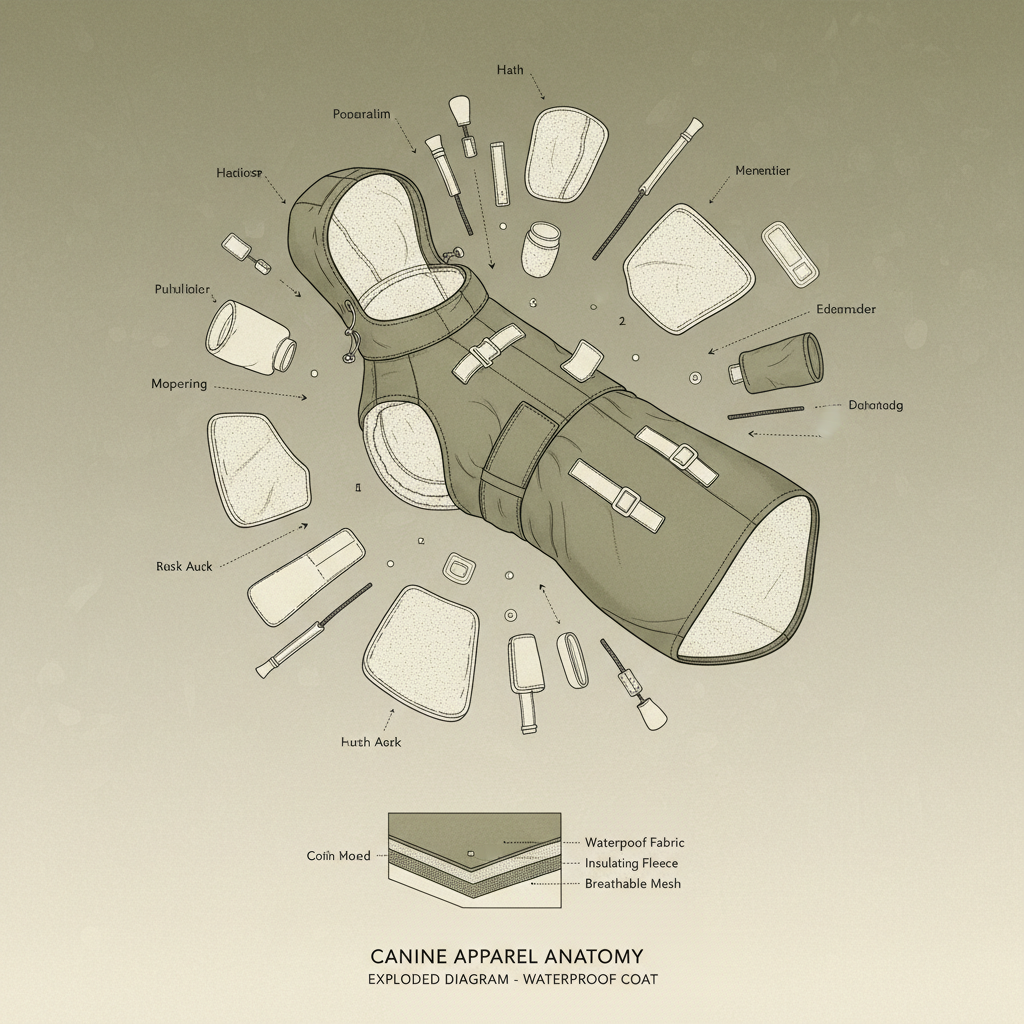
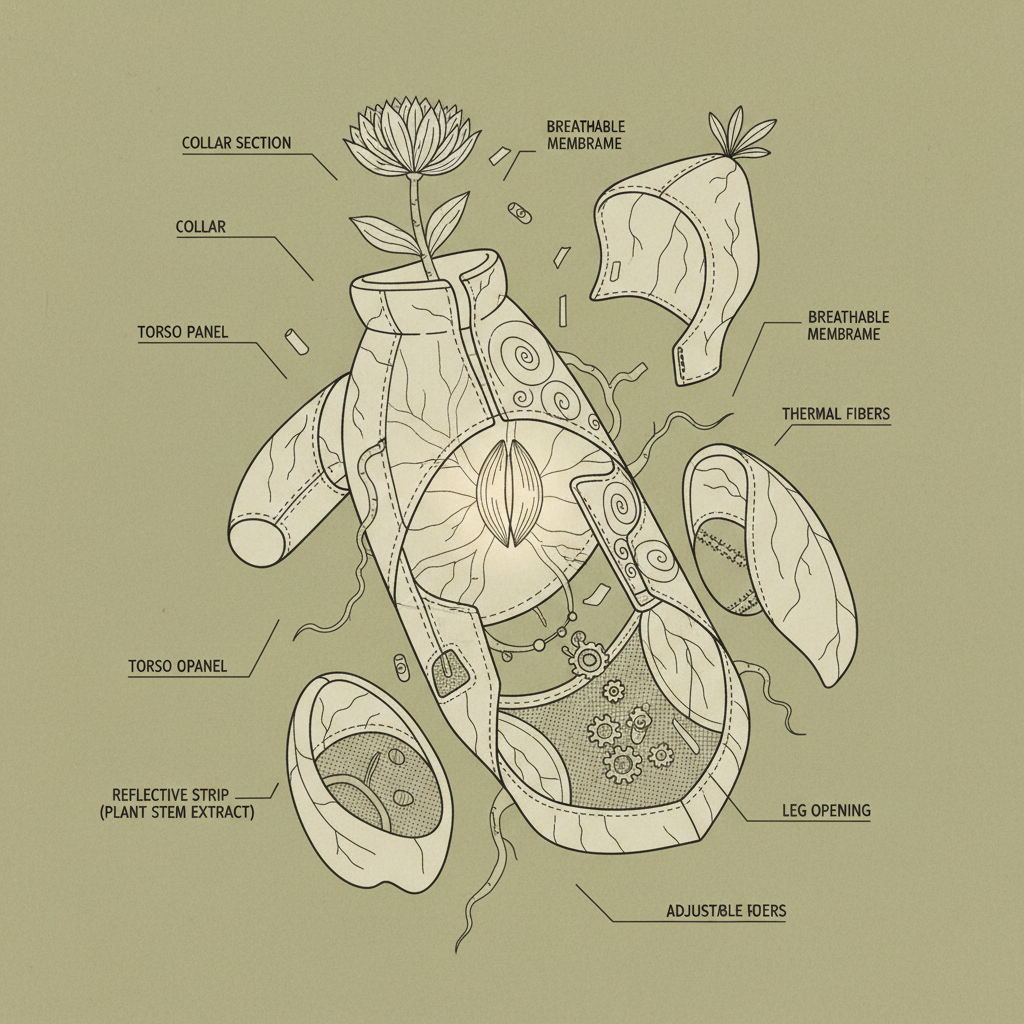
Have you noticed everything is going modular? It’s the same with dog clothes. People want pieces they can mix and match, layers for different weather. It's also become a lot more technical. We're seeing more waterproof fabrics, breathable materials, even stuff with UV protection. Honestly, it's a bit much sometimes, but the demand is there. It’s all about extending the 'season' for certain breeds.
And the colors, oh the colors! It's not just red and blue anymore. Everything's got to be Pantone-approved and ‘on-trend.’ Though, oddly enough, camouflage is always popular. Always.
For hot weather, you want breathable, lightweight fabrics like cotton voile, linen, or moisture-wicking synthetics. Avoid anything heavy or insulating. Light colors also reflect sunlight better. We’ve found that a loose fit is key – you don't want to trap heat against their skin. It’s also important to consider the dog’s breed and coat type. A Husky will need different protection than a Greyhound.
Accurate measurements are crucial! You’ll need a soft measuring tape. Measure the neck circumference (where the collar sits), chest circumference (at the widest point, just behind the front legs), and back length (from the base of the neck to the base of the tail). It’s best to have someone help you, and make sure the dog is standing comfortably. Then, always check the size chart provided by the manufacturer – they can vary significantly.
Safety is paramount. Always supervise your dog when they're wearing clothes, especially initially. Ensure the clothes aren't too tight, restricting movement or breathing. Avoid any decorations that could be chewed off and pose a choking hazard. And yes, overheating is a risk, especially with thicker materials. Don't leave a dog in clothes unattended in warm weather.
That depends on how dirty they get! Generally, washing after every few wears is a good rule of thumb. Check the care label, but most dog clothes can be machine washed on a gentle cycle with mild detergent. Avoid bleach and fabric softeners, as these can irritate a dog’s skin. And always make sure the clothes are completely dry before putting them back on your pup.
For some dogs, yes. There's a product called a "ThunderShirt" which applies gentle, constant pressure – it's kind of like swaddling a baby. Some dogs find this incredibly calming during thunderstorms, fireworks, or other stressful situations. It’s not a cure-all, but it can definitely help some anxious pups.
Don’t force it! Some dogs just won't tolerate clothes, and that's okay. Trying to force them will only create negative associations. Start slowly, introducing the clothes gradually, and rewarding them with treats and praise. If they still resist, respect their wishes. There are other ways to keep them warm or protected without making them miserable.
So, where does all this leave us? Dog clothes have come a long way from simple sweaters. It's a surprisingly complex industry, driven by demand for functionality, fashion, and a desire to pamper our furry friends. It's about more than just keeping them warm – it’s about protecting them, making them comfortable, and sometimes, just making them look good.
Ultimately, whether this thing works or not, the worker will know the moment he tightens the screw. And in this case, the ‘worker’ is the dog. If they're happy and comfortable, then we've done our job. If not, back to the drawing board. And if you’re looking for quality dog clothes that stand up to the real world, check out our selection at areemanpets.com.

 Afrikaans
 Albanian
 Amharic
 Arabic
 Armenian
 Azerbaijani
 Basque
 Belarusian
 Bengali
 Bosnian
 Bulgarian
 Catalan
 Cebuano
 Corsican
 Croatian
 Czech
Czech
 Danish
 Dutch
Dutch
 Esperanto
 Estonian
 Finnish
 French
 Frisian
 Galician
 Georgian
 German
 Greek
Greek
 Gujarati
 Haitian Creole
 Hausa
Hausa
 Hawaiian
 Hebrew
 Hindi
Hindi
 Miao
Miao
 Hungarian
 Icelandic
 Igbo
Igbo
 Indonesian
 Irish
Irish
 Italian
 Japanese
 Javanese
 Kannada
 Kazakh
 Khmer
Khmer
 Rwandese
 Korean
 Kurdish
 Kyrgyz
 Lao
Lao
 Latin
Latin
 Latvian
 Lithuanian
 Luxembourgish
 Macedonian
 Malgashi
 Malay
Malay
 Malayalam
 Maltese
 Maori
Maori
 Marathi
 Mongolian
 Myanmar
 Nepali
 Norwegian
 Norwegian
 Occitan
 Pashto
 Persian
 Polish
 Portuguese
 Punjabi
 Romanian
 Russian
 Samoan
 Scottish Gaelic
 Serbian
 Sesotho
 Shona
Shona
 Sindhi
 Sinhala
 Slovak
 Slovenian
 Somali
 Spanish
 Sundanese
 Swahili
 Swedish
 Tagalog
 Tajik
Tajik
 Tamil
Tamil
 Tatar
Tatar
 Telugu
 Thai
Thai
 Turkish
 Turkmen
 Ukrainian
 Urdu
Urdu
 Uighur
 Uzbek
Uzbek
 Vietnamese
 Welsh
Welsh
 Bantu
Bantu
 Yiddish
 Yoruba
 Zulu
Zulu
 English