You know, after running around construction sites all year, seeing all kinds of things… honestly, the biggest trend right now is miniaturization. Everything's gotta be smaller, lighter, more efficient. It's not just about gadgets either; even the raw materials are getting a makeover. I swear, just last week I was at a steel mill, and they were talking about these new alloys… lighter than aluminum, stronger than steel. Sounds too good to be true, right? It usually is, in some way.
But seriously, everyone wants stuff that packs a punch in a smaller package. And that's driving a lot of innovation, but also a lot of headaches, especially when it comes to design. It’s easy to fall into the trap of making things too complicated, trying to cram too much functionality into a tiny space. Have you noticed how often that happens? It always ends up with something fragile and difficult to repair.
And that brings me to materials. We’re seeing a lot of composite materials now – carbon fiber, graphene-enhanced polymers… fancy stuff. But a lot of these guys in the field don’t really care about the science. They want to know if it feels solid, if it smells right, if it’s easy to cut and drill. Carbon fiber? Smells a bit like burnt plastic, kinda gritty to the touch. Polymer blends? Can be sticky. Sounds silly, but that’s the reality on site.
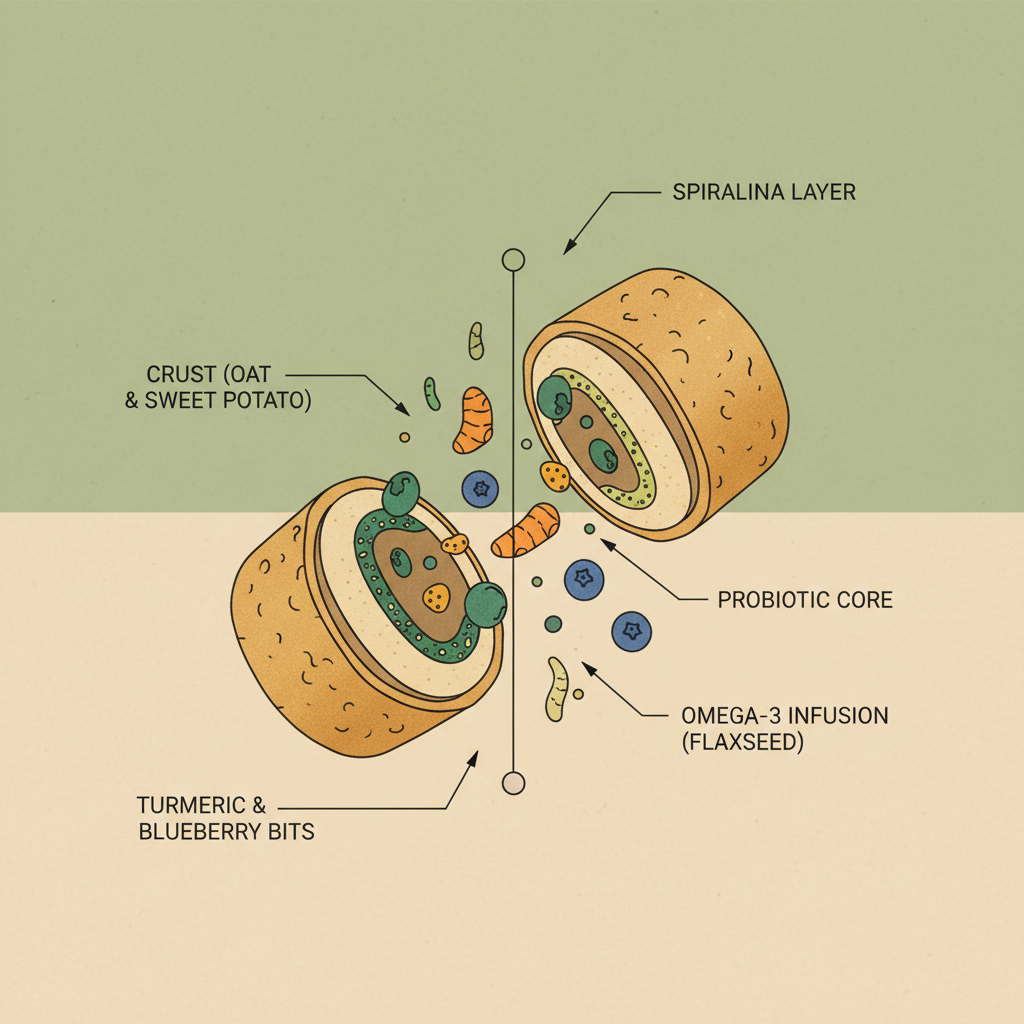
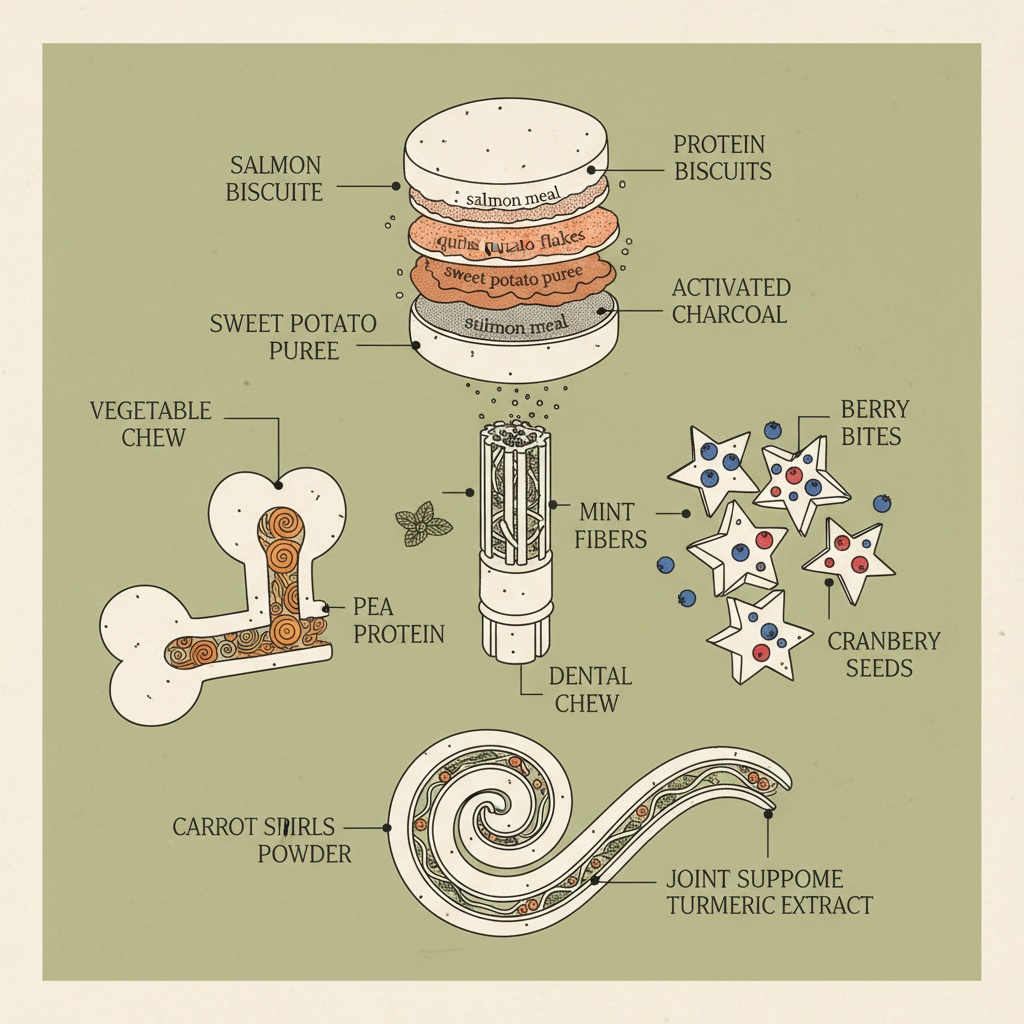
To be honest, the pet treats market is booming. Not just the usual suspects – biscuits and chews – but really specialized stuff. Grain-free, organic, limited ingredient… it’s endless. Pet owners are treating their animals like family, and they’re willing to spend money. It's not just about nutrition anymore; it's about experience, convenience, even emotional connection. And that’s where innovation comes in.
Strangely enough, the biggest driver isn't necessarily what vets recommend; it’s what looks good on Instagram. I encountered this at a pet food expo in Guangzhou last time. All these brands were obsessed with packaging – color schemes, minimalist designs, sustainable materials… The actual ingredients were almost secondary. Crazy, right?
Good question. “Grain-free” simply means the treat doesn’t contain grains like wheat, corn, or rice. “Limited ingredient” means it’s made with a smaller number of ingredients overall, often to help identify potential allergies. They can overlap, but aren't the same. A lot of marketing fluff, to be honest, but it caters to concerned owners. They both aim for easier digestion, particularly for pets with sensitivities, but the scope is different. The key is reading the full ingredient list.
Honestly, most owners don’t store them properly. The best practice is an airtight container, in a cool, dry place. Avoid direct sunlight. And don't leave the bag open in the pantry! That's just asking for staleness and insect infestations. Some treats need refrigeration after opening, so always check the packaging. We're working on packaging that helps with this - maybe a built-in desiccant or a resealable mechanism that actually works.
Not always. “Natural” is a poorly defined term. It doesn't guarantee quality or safety. Some naturally occurring ingredients can still be harmful to pets. It's more important to look at the full ingredient list and ensure it's balanced and appropriate for your pet’s specific needs. Don't get caught up in the marketing hype. Read the label, do your research, and talk to your vet.
The 10% rule is a good guideline – treats shouldn't make up more than 10% of your dog’s daily calorie intake. It depends on their size, activity level, and overall health. Too many treats can lead to weight gain and digestive upset. Think of treats as rewards, not meals. And adjust their regular food accordingly. If you're unsure, ask your veterinarian for advice.
Picky eaters… they’re the worst. Try different textures and flavors. Sometimes a high-value treat – something really smelly and enticing – can do the trick. Beef liver, cheese, or even a tiny bit of cooked meat can work wonders. But use them sparingly, as they're high in calories. You could also try warming the treat slightly to enhance the aroma. A vet check is also a good idea to rule out any underlying medical issues.
Avoid common allergens like wheat, corn, soy, dairy, and chicken. Look for limited ingredient treats with novel protein sources like fish, lamb, or duck. Read the label carefully and make sure it’s free of any ingredients your dog is sensitive to. A hypoallergenic treat is a good place to start. And always consult with your vet to get a proper diagnosis and treatment plan. It's tricky stuff, allergies.
Ultimately, the pet treats market is driven by a desire to provide our furry friends with the best possible care. It's a complex landscape, with a lot of hype and misinformation, but the core principles remain the same: quality ingredients, thoughtful design, and a focus on the animal’s needs. We’ve seen trends come and go, innovations rise and fall, but one thing remains constant: understanding what works, and what doesn’t, requires getting your hands dirty and listening to the people actually using the products.
Anyway, I think the key to success in this industry is humility. You can have all the fancy technology and marketing in the world, but if the treat doesn’t taste good to the dog, or if it gives them an upset stomach, it’s all for nothing. Ultimately, whether this thing works or not, the worker will know the moment he tightens the screw.

 Afrikaans
 Albanian
 Amharic
 Arabic
 Armenian
 Azerbaijani
 Basque
 Belarusian
 Bengali
 Bosnian
 Bulgarian
 Catalan
 Cebuano
 Corsican
 Croatian
 Czech
Czech
 Danish
 Dutch
Dutch
 Esperanto
 Estonian
 Finnish
 French
 Frisian
 Galician
 Georgian
 German
 Greek
Greek
 Gujarati
 Haitian Creole
 Hausa
Hausa
 Hawaiian
 Hebrew
 Hindi
Hindi
 Miao
Miao
 Hungarian
 Icelandic
 Igbo
Igbo
 Indonesian
 Irish
Irish
 Italian
 Japanese
 Javanese
 Kannada
 Kazakh
 Khmer
Khmer
 Rwandese
 Korean
 Kurdish
 Kyrgyz
 Lao
Lao
 Latin
Latin
 Latvian
 Lithuanian
 Luxembourgish
 Macedonian
 Malgashi
 Malay
Malay
 Malayalam
 Maltese
 Maori
Maori
 Marathi
 Mongolian
 Myanmar
 Nepali
 Norwegian
 Norwegian
 Occitan
 Pashto
 Persian
 Polish
 Portuguese
 Punjabi
 Romanian
 Russian
 Samoan
 Scottish Gaelic
 Serbian
 Sesotho
 Shona
Shona
 Sindhi
 Sinhala
 Slovak
 Slovenian
 Somali
 Spanish
 Sundanese
 Swahili
 Swedish
 Tagalog
 Tajik
Tajik
 Tamil
Tamil
 Tatar
Tatar
 Telugu
 Thai
Thai
 Turkish
 Turkmen
 Ukrainian
 Urdu
Urdu
 Uighur
 Uzbek
Uzbek
 Vietnamese
 Welsh
Welsh
 Bantu
Bantu
 Yiddish
 Yoruba
 Zulu
Zulu
 English